Rewiring a 1930s house is not automatic. Age alone does not condemn the wiring, and plenty of inter-war semis in Bristol have been rewired once already and are fine. But if your 1930s house still has any of its original cable, or a lighting circuit with no earth, or a fuse board with rewirable fuses, it needs rewiring, and the way to settle it for certain is an EICR, which costs £250 plus VAT for a three bed house and tells you exactly what is in the walls before you spend thousands.
South Bristol is full of these houses. The streets of Knowle, Headley Park, Hengrove, Bishopsworth and Whitchurch were largely built between the wars, and we spend a lot of our working week inside them. This guide covers what we actually find behind the sockets, how to tell whether yours needs a rewire before you buy or renovate, and what the job costs here, with our published prices rather than vague estimates.
What is actually inside a 1930s house
A 1930s semi was wired for a handful of lights, a few sockets and not much else. Nobody imagined a kitchen with ten appliances, an EV on the drive or a loft office. Ninety years on, the wiring in these houses tends to fall into one of three camps.
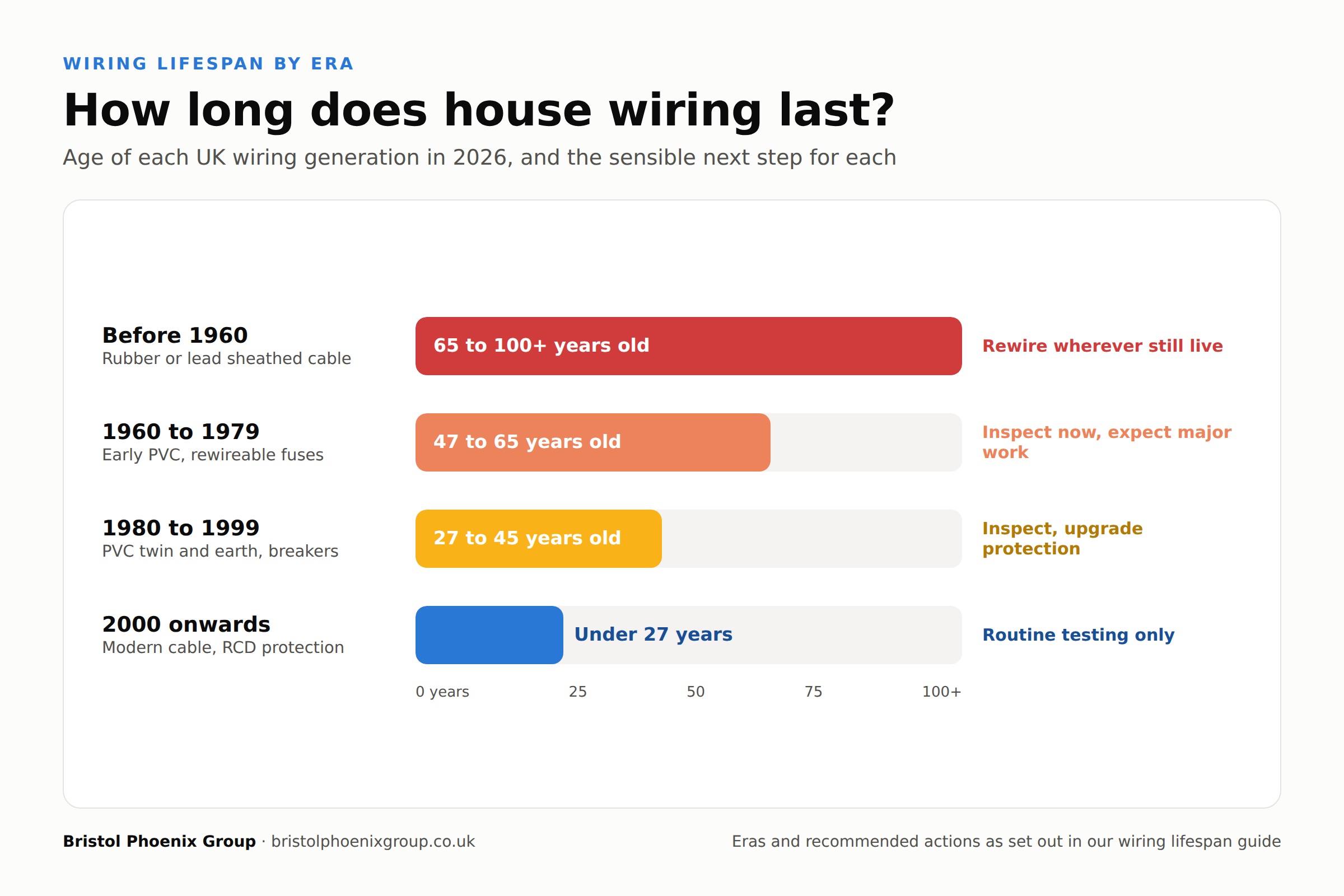
Original or very early wiring still in place. The oldest installations used rubber insulated cable, known as VIR, sometimes run in lead sheathing or steel conduit. Rubber insulation was only expected to last around 25 years, and by now it is brittle enough to crumble when a fitting is disturbed, leaving bare conductors behind a ceiling rose or in a wall. If we open a fitting and find rubber or lead sheathed cable, the conversation is no longer about whether to rewire but how soon.
A partial rewire from the 1960s to the 1980s. This is the most common find in South Bristol’s inter-war streets. Someone rewired the sockets in early PVC cable decades ago, left the lighting circuits alone, and the result is a house with red and black wiring downstairs, something older above the ceilings, and no earth on the lighting. A lighting circuit with no earth means metal light fittings and switches can become live under fault conditions, which is why that find alone is usually enough to make an EICR unsatisfactory. If you are unsure what the colours in your fittings mean, our guide to old wiring colours in the UK walks through them.
A proper full rewire within the last 30 years or so. Modern twin and earth throughout, earthed lighting, and often a plastic consumer unit from the 1990s or 2000s. These houses do not need rewiring. They usually need testing, and sometimes a new consumer unit to bring RCD protection up to current standards, which is a one day job rather than a two week one.
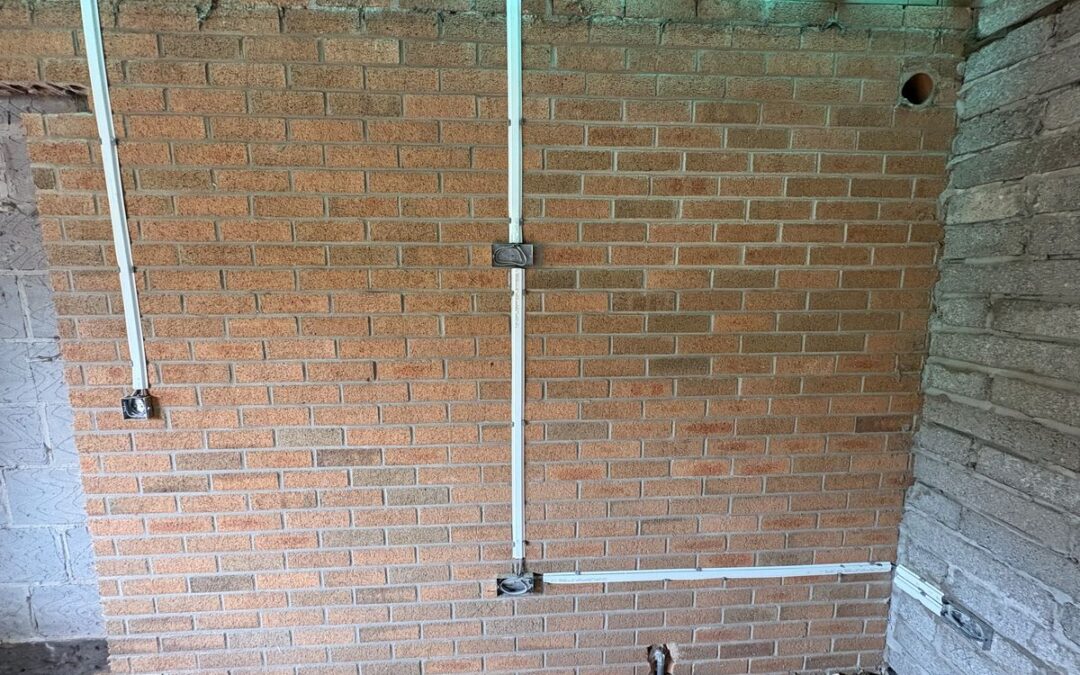
There are a few other 1930s signatures worth knowing. Surface mounted conduit and skirting level cable runs are common, because chasing cables into walls was less usual then. Round pin sockets, braided flex drops to ceiling lights and a cast iron fuse box with rewirable fuses all point to wiring that predates any modern standard. And while the Victorian terraces of Bedminster and Totterdown hide their wiring behind lath and plaster, which we cover separately in our guide to rewiring an old house, the 1930s semi is a different animal: cavity walls, accessible floorboards upstairs, a proper loft, and usually a suspended timber ground floor. All of that makes cable runs kinder, which matters for the price later.
Does a 1930s house need rewiring? How to tell before you commit
You can learn a lot without lifting a floorboard. Look at the fuse board first: rewirable fuses or a wooden backboard mean the installation core is old, whatever has been patched since. Check a light switch and a ceiling rose for red and black conductors with no earth wire. Look for a mix of socket styles, surface conduit, or sockets sitting on skirting boards. Scorch marks, a fishy smell from switches, fuses that blow repeatedly and lights that flicker when an appliance starts are all signs worth taking seriously.
None of that replaces the one check that settles it. An electrical installation condition report tests every circuit, measures the things you cannot see, like earth continuity and insulation resistance, and gives you a satisfactory or unsatisfactory verdict with coded faults. If you are buying a 1930s house, make the EICR part of your pre-purchase due diligence and you will know whether you are budgeting a few hundred pounds for a test or several thousand for a rewire before you exchange. Electrical Safety First recommends an inspection at least every 10 years for an owner occupied home, and landlords must have rented homes checked at least every 5 years, so if you are letting out a 1930s semi the question is not optional.
The stakes are real rather than theoretical. The Institution of Engineering and Technology reported in April 2026 that there are around 19,300 accidental domestic fires linked to electricity each year, about 53% of all accidental house fires in England, and that only 30% of households have had their electrics checked by a qualified electrician within the past decade. Houses with 90 year old cable in the walls are exactly where that risk concentrates.
What rewiring a 1930s semi costs in Bristol
Our rewire prices are published and fixed in writing after a free survey. For a three bed house, the typical 1930s semi, a full rewire starts from £5,400 plus VAT. A four bed starts from £5,750 plus VAT. The full breakdown, along with a price calculator, is on our house rewiring in Bristol page.
These are starting prices for a basic specification: the number of circuits, sockets and lights you want moves the figure, which is why the price is fixed in writing only after the survey.
The 1930s semi has a few cost quirks of its own. Picture a typical three bed semi in Headley Park. Upstairs is quick work, because the floorboards lift and the loft gives open access to the lighting. The ground floor is where the survey earns its keep: many of these houses have suspended timber floors, which keep things simple, but kitchens and hallways were often replaced with solid concrete floors during past renovations, and where the ground floor is concrete we route cables differently, which adds £1,200 to £1,850 to the price. Cavity walls also mean cable drops can often run in the cavity face rather than deep chases, so the making good bill, around £395 with us, tends to be lighter than in a solid walled Victorian terrace. On that typical Headley Park semi with timber floors throughout, you would be looking at £5,400 plus VAT, plus £420 if you add interlinked smoke and heat alarms, which we strongly recommend during a rewire because the cabling is free at that point.
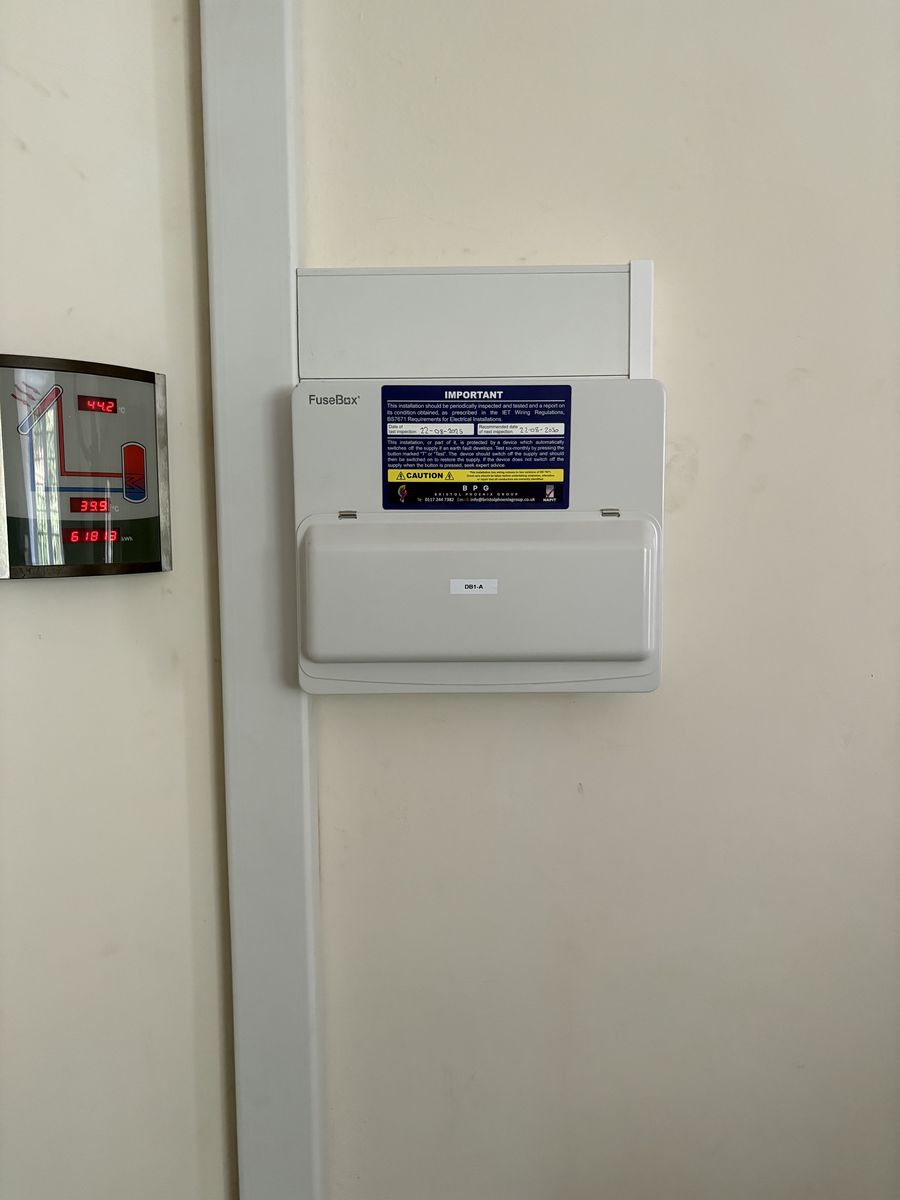
Every full rewire includes a new metal consumer unit with an RCBO on every circuit and surge protection, full testing and certification, and notification to building control through our NAPIT registration, with the work covered by the NAPIT Work Quality Guarantee for six years. We are also TrustMark Trading Standards Approved, licence 4257835, which means Trading Standards has checked and approved the business, worth knowing when you are comparing quotes for a job of this size.
What the job is like to live through
A three bed rewire typically runs over one to two weeks, split into first fix, when the old cable comes out and the new runs go in, and second fix, when sockets, switches and lights go on and the board is changed and tested. It is dusty, disruptive work, and we ask customers to move out where they can, because an empty house is safer and quicker. If you are buying a 1930s house that needs rewiring, the single best piece of advice we can give is to have the rewire done between exchange and moving in, while the house is empty and before carpets and decoration go down.
One thing a rewire is not is an excuse to gut the house. Cable routes in a 1930s semi mostly follow floors, ceilings and switch drops, and a good electrician plans them to keep wall damage to a minimum. Ask any firm quoting you to explain where their chases will run and what making good is included, and get the answer in writing.
Questions we get asked
My 1930s house has a new fuse board. Does that mean it has been rewired?
No, and this catches a lot of buyers out. A consumer unit can be changed in a day without touching the cable in the walls. A new board on 60 year old wiring is still 60 year old wiring. The test results behind the board change, or an EICR, tell you what the cable itself is like.
Can I rewire a 1930s house in stages?
Sometimes, and it depends on what is found. If the sockets were rewired properly in the past, replacing just the old lighting circuits can be a sensible partial job. If the whole installation is original, staging it usually costs more overall and leaves you living with the worst of it longest.
Do I need to rewire before selling?
There is no legal requirement to rewire before selling, but buyers’ surveys increasingly flag old electrics and the price negotiation that follows often exceeds the cost of the work. An EICR gives you the facts either way.
Based in South Bristol, working in these streets every week
We are Bristol Phoenix Group, a NAPIT registered electrical contractor based in Bishopsworth, with over 100 five star Google reviews and inter-war semis as our bread and butter. If you are in Knowle, Bedminster or anywhere across South Bristol, and you are weighing up whether your 1930s house needs rewiring, start with an EICR or send us the listing if you are still at the viewing stage. We will give you a straight answer and a fixed written price, free. Call 0117 244 7382 or get in touch here.